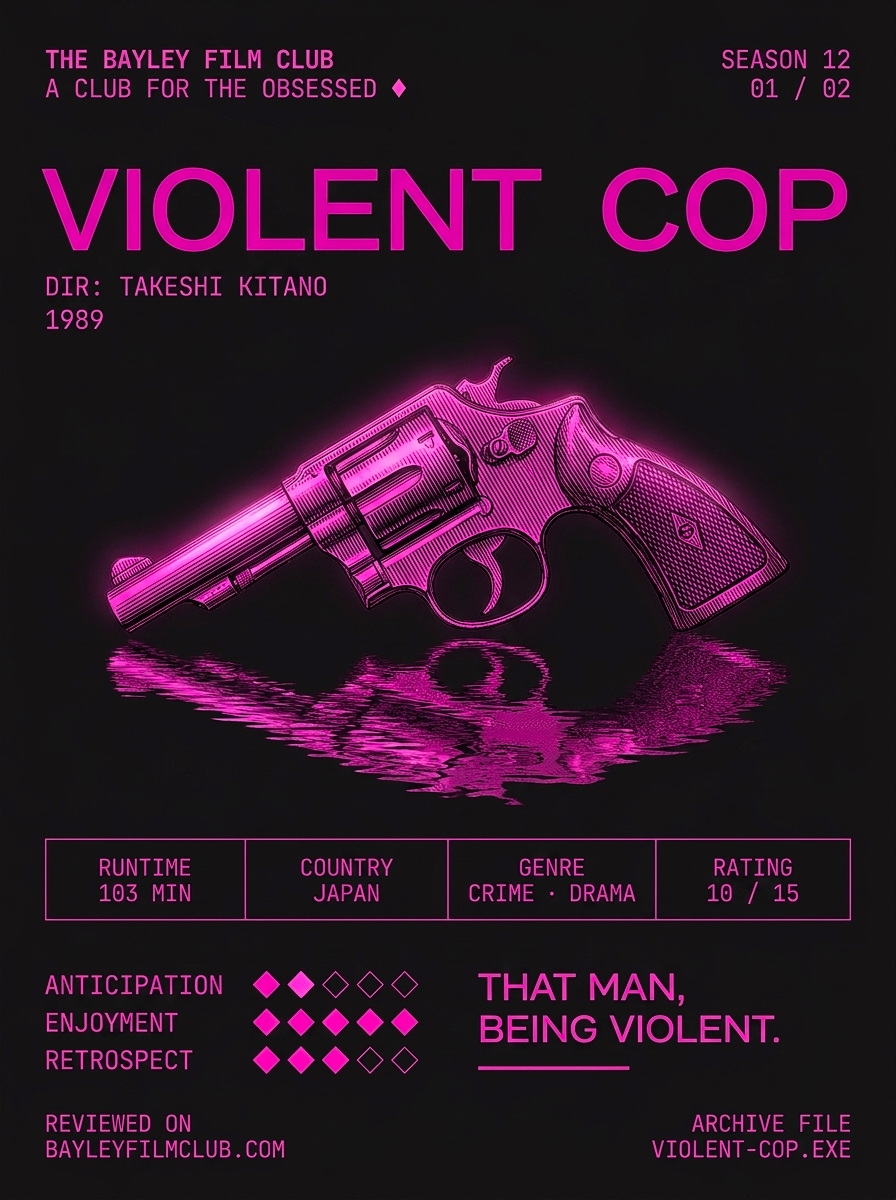
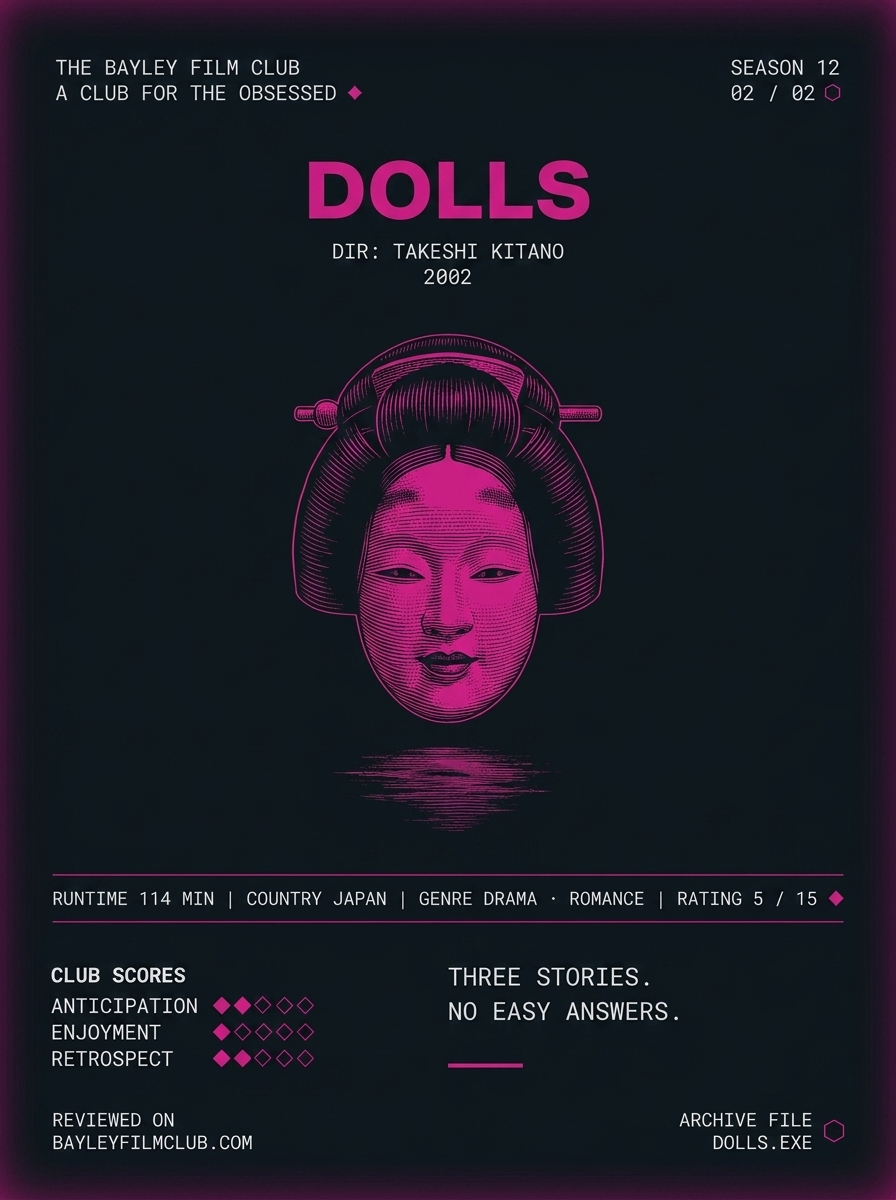
The poet of stillness. Takeshi Kitano arrived in cinema almost by accident — a comedian and television personality who stepped behind the camera for the first time in 1989 and immediately demonstrated a visual intelligence that had no precedent in his previous work. Over the decades that followed, he built one of the most distinctive and quietly radical bodies of work in Japanese cinema: films that move slowly, erupt suddenly, and refuse to explain themselves. Kitano is drawn to figures who exist at the margins of society — violent men, outsiders, the loyal and the betrayed — and he observes them with a detachment that makes their occasional moments of tenderness all the more striking. His style is defined by stillness: long takes, minimal dialogue, and a camera that watches rather than directs your attention. Within that stillness, violence arrives without warning and is over before you have processed it. That rhythm — the long quiet, the sudden rupture — is as close to a signature as any filmmaker has.