The poet of unspoken grief. Lynne Ramsay is one of the most exacting visual stylists in contemporary British cinema — a director who has spent a career, active since 1999, building images before she builds plot. Working slowly and rarely, she has released only a handful of features in over two decades, and each one arrives fully formed: dense with texture, sound, and a kind of sensory intelligence that resists conventional exposition. Ramsay is drawn to outsiders and the people who fail them — children abandoned by circumstance, mothers undone by what their children become, men undone by what they could not prevent. Her films move by association rather than plot mechanics, trusting image and rhythm to carry meaning that dialogue never states outright. The result is cinema that lingers in the body as much as the mind.
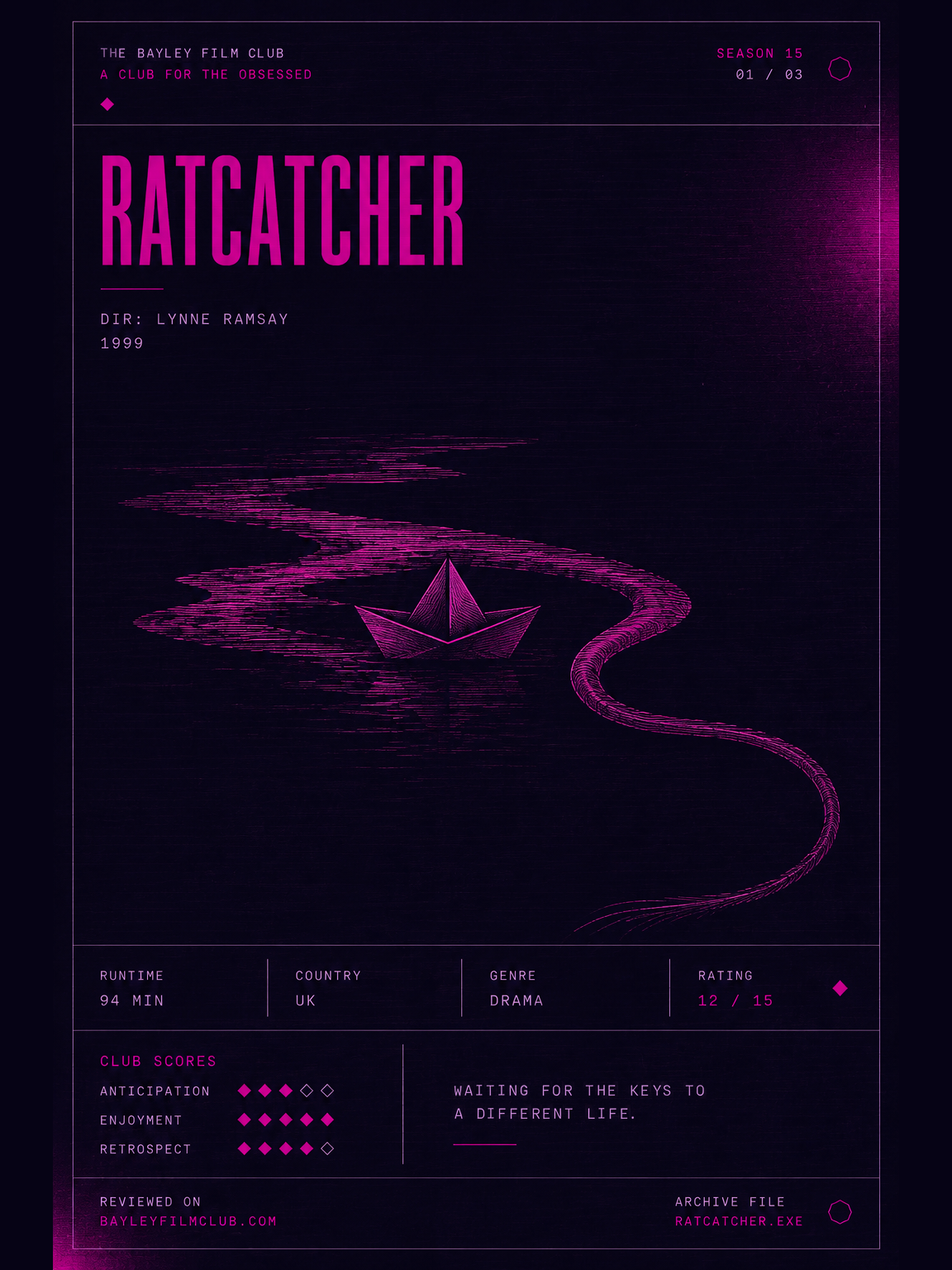
A community stuck in limbo, rendered through pure, devastating feeling. Ramsay's debut forces you to focus on what her characters are feeling rather than what happens to them — and what a broad spectrum that is.
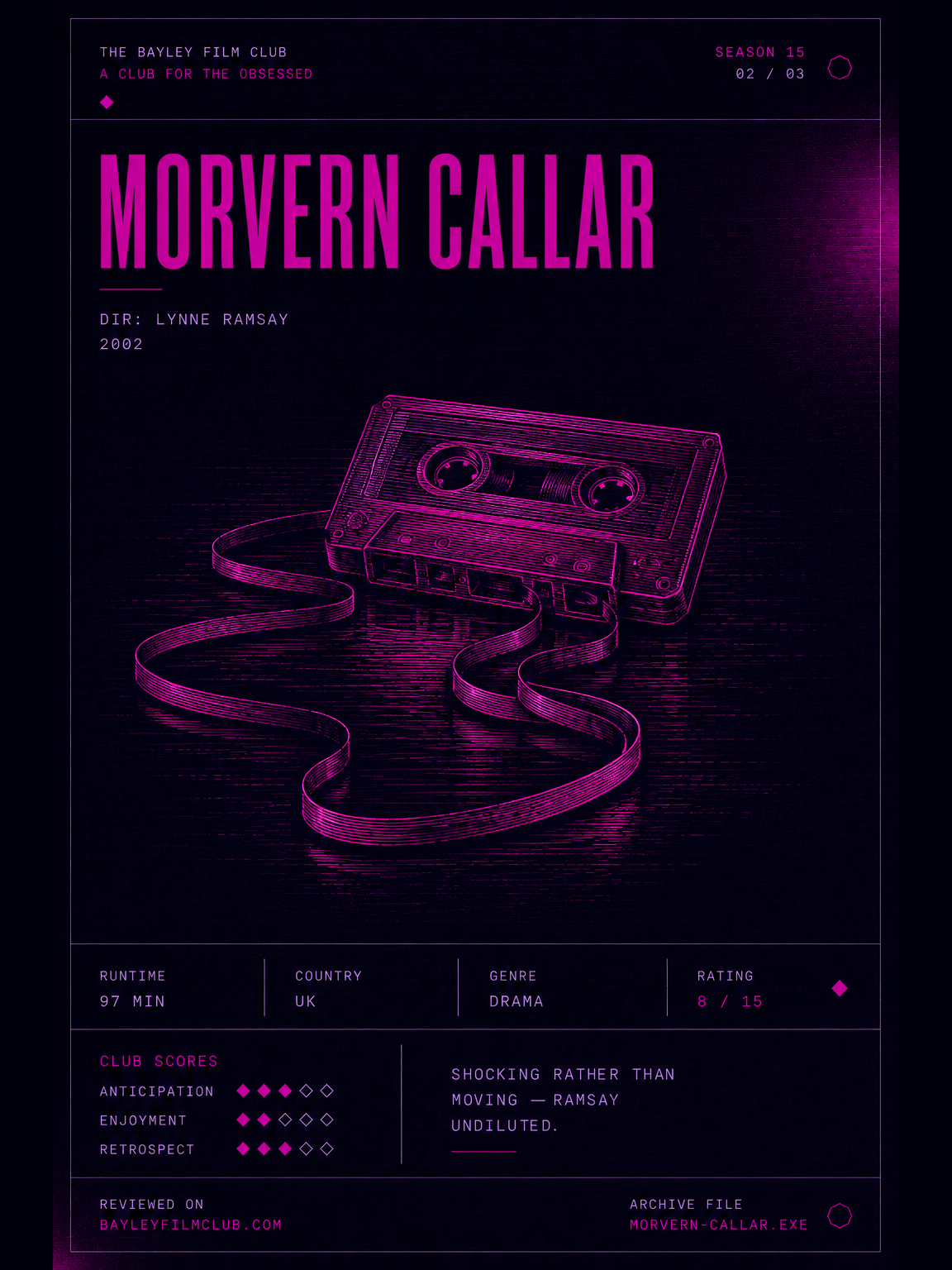
Shocking rather than moving — Ramsay undiluted, but not her most rewarding work. A young woman takes her boyfriend's death and turns it into a strange, soulless kind of freedom.
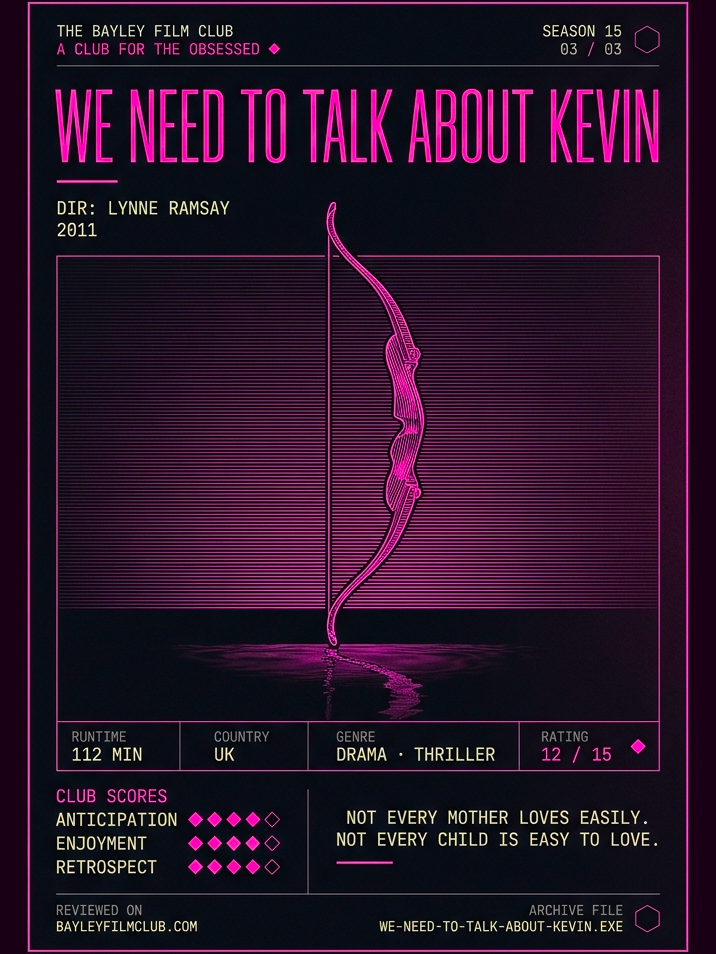
A wicked, thin line between love and hate, played like a violin. Motherhood from the mother's side of the glass — and what happens when your child hates you with total purity.